Varanasi Sees Spiritual Tourism Boom as Hotel Searches Jump by 44%
As reported by digital travel platform Agoda, accommodation searches for Varanasi in September climbed 44% compared with the same window last year — a striking signal that the city's role as a…
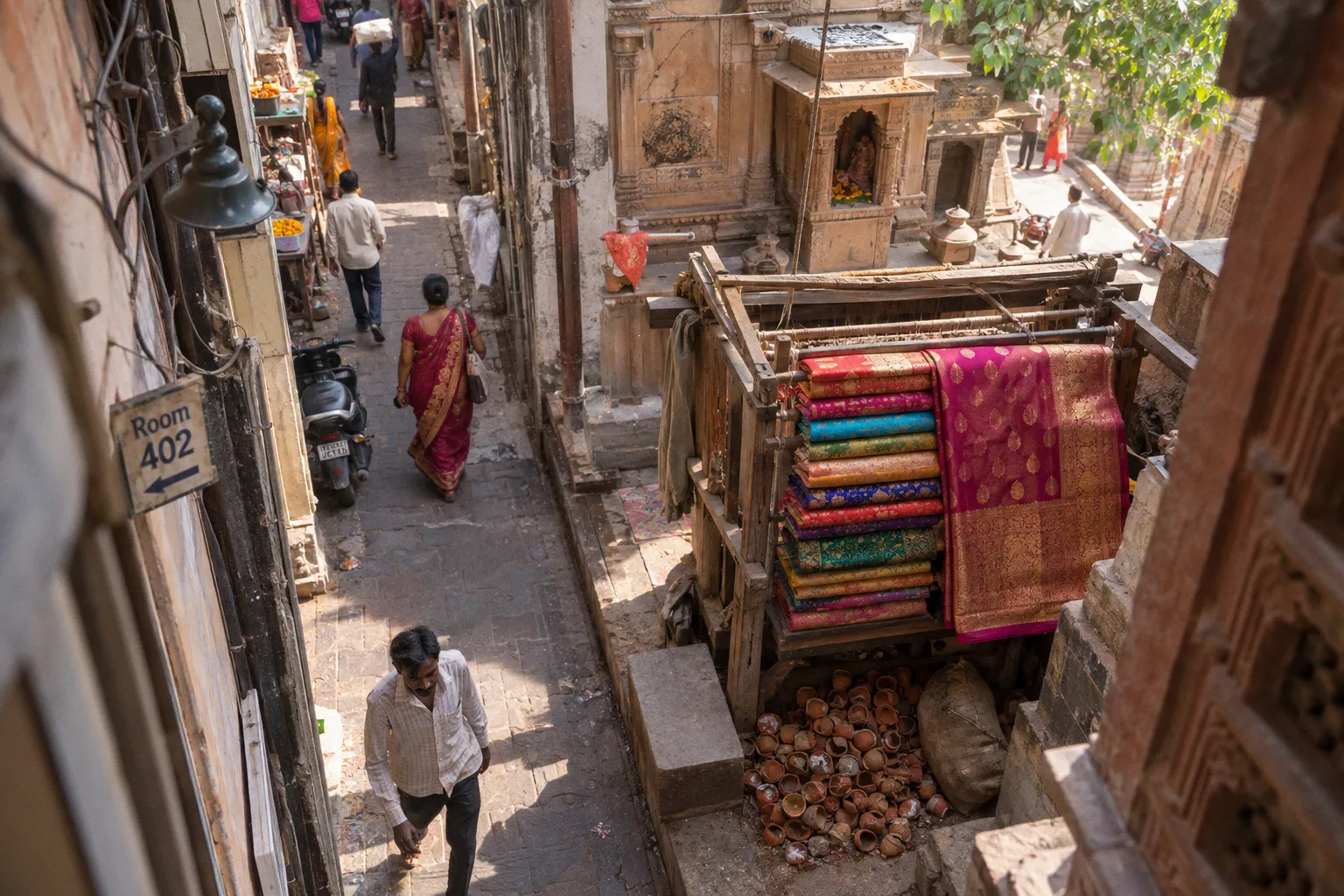
As reported by digital travel platform Agoda, accommodation searches for Varanasi in September climbed 44% compared with the same window last year — a striking signal that the city's role as a pilgrimage and temple destination is deepening within India's domestic travel patterns, rather than fading with time.
A 44% Climb and What It Reflects
When we see a figure like this, it helps to ask what kind of traveler is behind the search bar. The data Agoda released aligns with a broader shift across India, where domestic visitors are increasingly drawn to sacred heritage sites — places where devotion, lineage, and ritual observance still shape the daily rhythm of the streets. For Varanasi, this is not a new identity but an amplified one: the ghats, the Vishwanath corridor, and the riverside temples have always drawn the faithful, and now more travelers are following that same pull. You may have noticed this yourself if you have walked the alleys in recent seasons — the footfall near major shrines, the queues at the ghats, the fuller guest houses along the riverfront. A 44% rise in searches is the digital echo of what the city already feels on the ground.
Etiquette When the Footsteps Multiply
Here is where we tend to slow visitors down before they arrive. A surge in interest is welcome — it sustains the priestly families, the boatmen, the weavers, and the small guesthouses whose livelihoods are woven into the city's fabric — but it also places a quiet responsibility on each of us. In Varanasi, you are not simply a spectator at a heritage site; you are a guest within a living ritual landscape where many people you pass are in the midst of prayer, mourning, or pilgrimage. The etiquette that serves you well here is the same one that serves any sacred precinct: modest covering at temple thresholds, stepping aside for processions, asking before photographing a devotee or a funeral pyre, and observing silence inside the inner sanctums. These are not formalities imposed on you — they are the etiquette that allows the city's spiritual significance to remain intact even as the crowd thickens.
What to Watch as You Plan
If you are considering a visit in the coming months, the practical takeaway is straightforward. Search interest of this scale tends to translate into fuller accommodation calendars within a short window, so booking a riverfront stay ahead of time — and being flexible about which ghat you base yourself near — will spare you the scramble that catches many first-time visitors off guard. It is also worth remembering that September in Varanasi carries its own character: the monsoon has usually softened, the light over the Ganga is gentler, and several major observance periods fall close together. Rather than treating that as a complication, we would frame it as an invitation — the chance to experience the city when its ritual life is particularly visible, provided you arrive prepared to follow the customs rather than simply observe them. That, more than any percentage point, is what makes a journey here meaningful.