Bihar Challenges Ganges Water Treaty: Implications for Downstream River Logistics
Bihar's ruling party just put the Ganges water-sharing treaty on notice — and that matters if you move freight, run boats, or plan pilgrim logistics anywhere downstream.
JD(U) State President Umesh Kushwaha announced on 4 September that the party will run a "Nitish Samvad Yatra" — a mass-contact march tracing the Ganges through 12 Bihar districts, starting in Buxar and ending in Katihar, as reported by The Business Standard. The political target is the 1996 Ganges treaty with Bangladesh, which expires this December. Bihar wants the deal killed, not renegotiated.
What the dispute actually is
The treaty was signed on 12 December 1996 under then-Bihar Chief Minister Lalu Prasad and Prime Minister HD Deve Gowda. It governs how Ganges flow is divided between India and Bangladesh, with the Farakka Barrage as the control structure. JD(U)'s core complaint: silt piles up on the Indian side of the barrage, redirecting excess water into tributaries that flood Bihar settlements every monsoon. The party says this has been ignored for three decades, and with renewal up for grabs, Bihar's interests must lead.
Kushwaha made the position explicit: the treaty should not be renewed because it harms Bihar's people. Working President Sanjay Kumar Jha and other leaders will lead the yatra, meeting residents along the river route to document grievances and pressure the central government before December.
Why a Varanasi reader should care
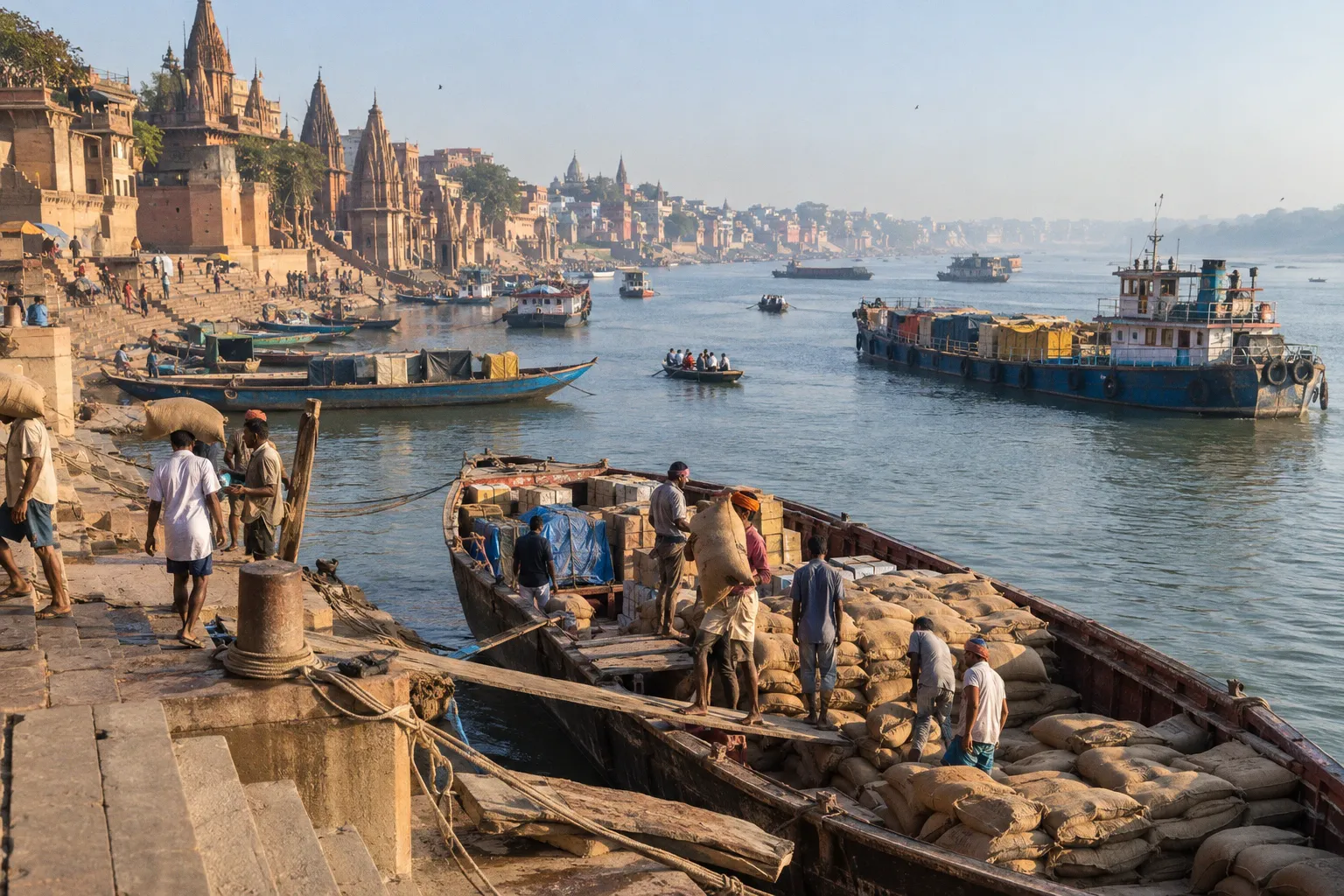
The Ganges doesn't stop at the Bihar border. Any shift in upstream flow management or Farakka operations ripples downstream — Varanasi included. If the treaty lapses or is renegotiated with new terms, expect changes in:
- Monsoon water levels at the ghats. Higher or more erratic discharge affects boat schedules, ritual bathing access, and ghat safety.
- Sediment load. More silt upstream historically means more deposition around Varanasi's bathing steps and ferry landings — a maintenance headache for the riverfront.
- Cross-border cargo timing. Grain, timber, and construction material moving on the river depend on predictable draft. Political uncertainty at Farakka equals scheduling risk.
What to track
- December 2026 deadline. That's when the treaty expires. Any extension, replacement, or lapse announcement will move fast.
- Bihar flood data. Watch whether the yatra's grievance documentation surfaces specific districts and discharge numbers — those will indicate how hard Bihar pushes.
- Central government response. The BJP-JD(U) alliance makes outright rejection unlikely, but bilateral talks could open with new demands attached.
- Farakka operations bulletins. Any change in barrage gate protocols signals downstream effects within days.
Treat the treaty as a bottleneck — a fixed constraint with a known expiry date. Plan your river operations around the December window, not around assumptions that the 1996 deal simply continues. The politics just got loud, and quiet renewals are off the table.