Navigating the Ganga: Luxury Cruise Expansion vs. Varanasi Ghat Realities
According to recent reports from India Today NE and The CSR Universe, the Ganga is moving in two very different directions: toward larger luxury-cruise investment and toward more structured groundwater conservation.
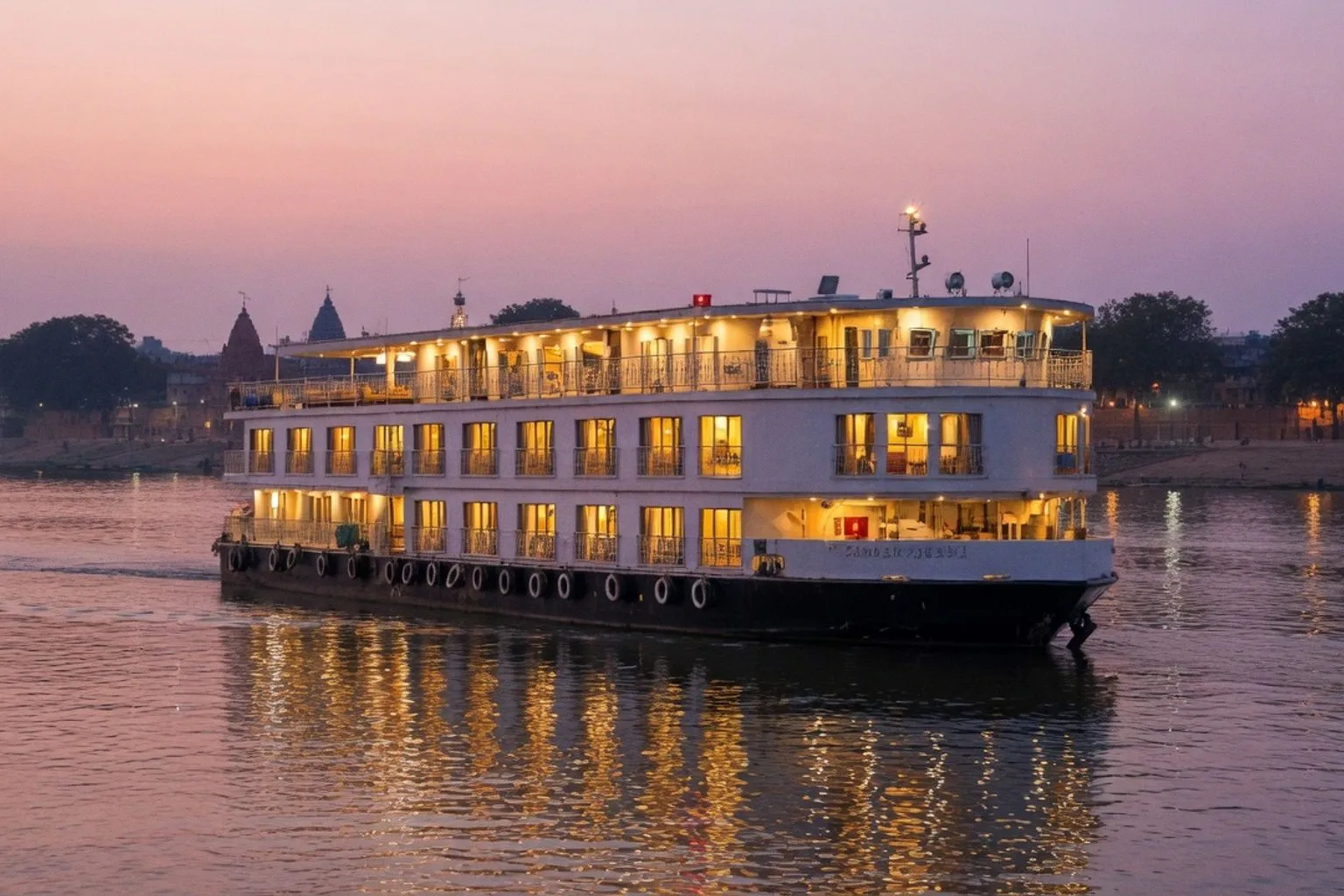
For anyone planning time on Varanasi’s riverfront, the practical point is simple—do not confuse new river infrastructure with a confirmed change in local ghat conditions.
Cruise expansion is not the same as a Varanasi upgrade
Assam-based Assam Bengal Navigation is set to partner with Scenic Group on a planned expansion of luxury river cruising along the Ganga and Brahmaputra. India Today NE reports a proposed investment of ₹750–800 crore over the next decade, with the stated aim of bringing river cruising in India closer to global luxury standards.
The plan is national in scope, not a confirmed Varanasi-specific project. The operator already runs cruises on the Ganga and Brahmaputra, while the proposed expansion is tied strongly to Assam, the Brahmaputra and National Waterway-2. Reported infrastructure plans include cruise terminals at Biswanath Ghat and Neamati, plus an elevated corridor linking Pandu Port with National Highway-27.
That matters to Varanasi visitors because the Ganga is increasingly being treated as both a sacred river and a transport corridor. But keep the distinction clear. A larger cruise economy elsewhere does not automatically mean more departures from Varanasi, better access at the city’s ghats or reduced crowding around the Dashashwamedh and Assi areas. Those outcomes are not established by the available reports.
My rule is to verify the actual embarkation point, itinerary and transfer arrangements before paying for any premium river experience. A national cruise announcement is background, not a booking confirmation.
Groundwater work targets a different bottleneck
The Uttar Pradesh government has initiated a three-year Managed Aquifer Recharge project along the Ganga-Yamuna Doab, supported by the National Mission for Clean Ganga. The reported project will channel rainwater into a newly mapped 200-kilometre underground paleochannel system.
Other reporting describes the same development as a groundwater-conservation effort involving an ancient underground river system between Kanpur and an unspecified location in the available headline. The confirmed details establish the project and its broad purpose, but not a direct effect on Varanasi’s water quality, bathing conditions or ghat access.
That limitation is important. Groundwater recharge, river pollution and visitor-facing conditions are connected parts of a wider water system, but the evidence here does not prove that this project will clean the Ganga at Varanasi or change what a traveller encounters at the riverfront. Do not turn a conservation announcement into a local bathing advisory.
For practical planning, treat this as a policy signal rather than an immediate travel update. It shows continuing attention to the Ganga basin, but it does not replace checking current local conditions through on-the-ground operators or official notices.
What to watch before choosing a river plan
Track three separate issues instead of bundling them together.
First, watch whether the luxury-cruise partnership produces a confirmed Varanasi itinerary. The available report refers to the Ganga and Brahmaputra network, but it does not establish a new Varanasi terminal, schedule or fare.
Second, watch the difference between cruise traffic and ordinary ghat boating. Large luxury vessels serve a different market and may not affect the short sunrise or evening trips most visitors use in Varanasi.
Third, watch for verified local information on river access and pollution conditions. The evidence confirms reporting on hydroelectricity and pollution as part of the Ganges topic, but it provides no current Varanasi measurement or operational warning.
From field experience, the hard-and-fast rule is this: separate basin-level announcements from ghat-level facts. Confirm the boat, the boarding point and the current local conditions before you negotiate a price or lock in a schedule.