Clarifying Recent Water Project Reports and Their Impact on Varanasi Tourism
Sarkaritel describes a focus on project progress, implementation bottlenecks, and completion within planned timelines.
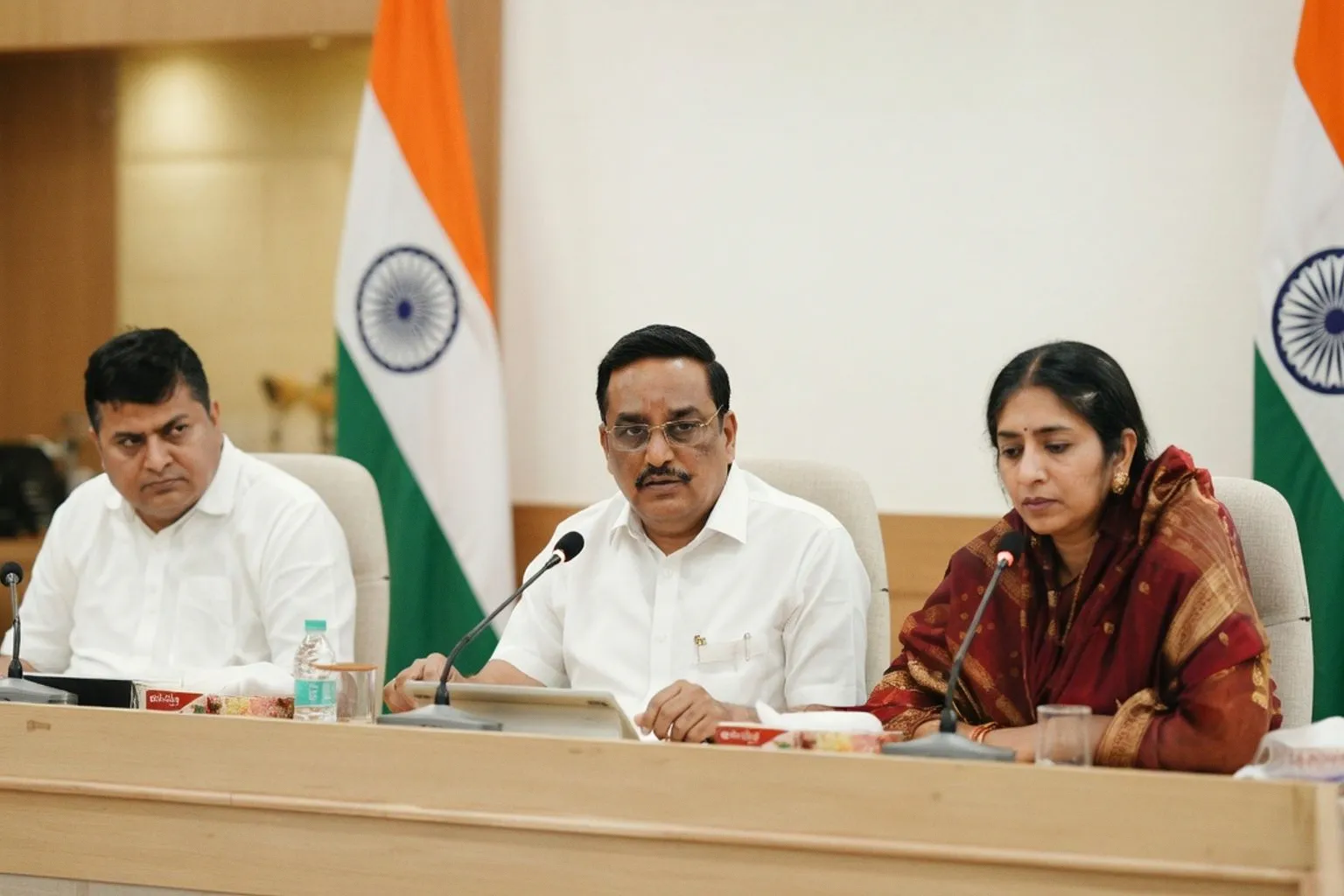
According to Sarkaritel, C. R. Paatil has reviewed ongoing water projects and stressed the need for timely completion. Related reports also point to a memorandum of understanding for the Kishau Multipurpose Project and to wider calls for faster action in water and waste management. For visitors following the Ganga waterfront, the immediate significance is limited but practical: the announcements concern project execution, while the available reports do not identify a specific Varanasi site, construction schedule, or travel disruption.
A national water agenda, not a Varanasi project notice
The reporting places Paatil’s review within a broader water-management agenda. Sarkaritel describes a focus on project progress, implementation bottlenecks, and completion within planned timelines. DD News likewise reports that Paatil called for faster implementation of water-resources projects.
Those reports do not establish that a new intervention has been announced for Varanasi’s ghats. They also do not provide a confirmed list of works in the city, a completion date, or details of any change to riverfront access. That distinction matters. Water and Ganga-related announcements often operate across several administrative levels, while the practical conditions at a particular ghat depend on the project’s exact location and phase.
For heritage travelers, the correct reading is therefore chronological and spatial: this is a review-stage development in the available reporting, not a confirmed change to the visitor route along the river.
Kishau agreement adds regional context
A separate Daijiworld report concerns the Kishau Multipurpose Project, for which an MoU was reportedly signed among six participating states. The headline presents the agreement as an effort to strengthen water security in North India.
The report is relevant as context for the scale of current water infrastructure planning, but it does not connect the Kishau project directly to Varanasi’s riverfront, ghats, temples, or municipal services. No evidence in the supplied material establishes a direct operational link between that project and conditions in Kashi.
The same caution applies to the Deccan Herald item, which reports that IFAT India 2026 concluded with an emphasis on faster action in water and waste management. It indicates a wider policy and infrastructure conversation, not a confirmed local measure in Varanasi.
What visitors should verify before relying on the news
Travelers planning a riverfront itinerary should not alter a ghat-to-ghat route solely on the basis of these announcements. The available reports do not name affected access points, specify restoration or construction zones, or indicate whether boat operations, bathing areas, or temple approaches will change.
The useful checks are local and time-sensitive: confirm the status of the specific ghat before departure, verify whether any access restriction has been announced, and distinguish a national project review from an active worksite in Varanasi. The evidence currently supports a clear assessment of administrative intent—faster execution and closer attention to water infrastructure—but not a precise map of changes on the ground.
For the city’s living heritage, preservation will ultimately be measured spatially: by whether project activity is coordinated with the riverfront’s dense circulation network and whether public access remains legible during implementation. At present, the reporting establishes the policy direction, while the local chronology and physical extent of any Varanasi impact remain unconfirmed.